This article was adapted from the Portuguese original with the help of AI.
Winter is coming. In snowy areas such as Fukui, heavy snow can damage roofs, gutters and garages. Cold weather can also freeze pipes and make them burst. Many people think 火災保険 (kasai hoken, fire insurance) only covers fire, but that is not the whole story. In this post you will see what is usually covered, what is not, and what to do if something happens.
火災保険 is not only for fire
According to the 日本損害保険協会 (Nihon Songai Hoken Kyōkai, the General Insurance Association of Japan), 火災保険 also covers natural disasters and theft, not just fire. This damage can affect the 建物 (tatemono, the building) and the 家財 (kazai, the belongings inside your home).
Natural disasters include:
- 風災 (fūsai): wind and typhoon damage;
- 雹災 (hyōsai): hail damage;
- 雪災 (sessai): heavy snow, avalanches and other damage caused by snow.
The classic types of policy are the 住宅火災保険 (jūtaku kasai hoken) and the 住宅総合保険 (jūtaku sōgō hoken). In both, coverage for 風災・雹災・雪災 usually exists. Even so, what is actually paid depends on the product and the conditions of your policy.
Snow damage that may be covered
In general, these are examples of 雪災:
- a gutter (雨樋, amado) bent by the weight of snow;
- a roof that is deformed or damaged;
- a garage or carport (カーポート, kāpōto) that collapsed under snow;
- a water heater or other equipment hit by snow that fell from the roof.
Everything depends on what you signed up for. If you insured only the 建物 and not the 家財, the belongings inside your home are not included. If the carport is not included as part of the 建物, it may not be covered.
Is there a minimum amount of damage?
In some types of policy, damage from 風災・雹災・雪災 is paid only if it reaches 20万円 (200,000 yen) or more. This appears, for example, in the coverage table of the 損害保険契約者保護機構 (Songai Hoken Keiyakusha Hogo Kikō). Other policies use a deductible, called 免責金額 (menseki kingaku). This is the part you pay yourself, and it is subtracted from the amount paid out. Look in your 保険証券 (hoken shōken, the policy document) to see if there is a minimum amount or a deductible.
Frozen pipes: two different coverages
This point confuses many people. Here is the difference:
- 水濡れ (mizunure, water damage): covers damage caused by the water that leaked, such as floors, walls and furniture. In general, it only applies if this coverage is in your policy.
- The pipe itself: the repair of the burst pipe may not be covered. Some policies have 破損 (hason, accidental damage) coverage or the special clause 水道管凍結修理費用 (suidōkan tōketsu shūri hiyō, frozen water pipe repair costs), which pays for the repair up to a limit.
Also, leaks caused by 経年劣化 (keinen rekka, wear and tear over time) are normally not covered. In cold areas, it is worth asking whether your policy has the frozen pipe clause.
What 火災保険 does not cover
- Earthquakes, volcanic eruptions and tsunamis: this damage requires 地震保険 (jishin hoken, earthquake insurance), which is taken out together with 火災保険.
- Natural wear of the house: damage from aging is not covered.
- Snow that falls from your roof and damages your neighbor’s property: this is a matter of civil liability, not damage to your own home. Ask whether you have 個人賠償責任 (kojin baishō sekinin, personal liability), which usually comes as a special clause. Coverage depends on the contract.
I rent my home. Does this apply to me?
People who rent normally take out only 家財 (belongings) insurance. The 建物 belongs to the landlord and is covered by the landlord’s insurance. In your rental policy, check these items:
- 家財保険 (kazai hoken): protects your furniture and belongings;
- 借家人賠償責任 (shakuyanin baishō sekinin): covers what you owe the landlord if you cause damage to the property, such as a leak;
- in many rental policies, snow is covered only under certain conditions, for example when there is damage to the outside of the property.
If snow or cold damages the property, tell the landlord or the management company (管理会社, kanri gaisha) right away.
Before winter: what to check
- Open your 保険証券 and check whether 風災・雹災・雪災 is included.
- Check whether you insured the 建物, the 家財 or both.
- Look for the 免責金額 and any minimum damage amount.
- Check whether you have 水濡れ coverage and the frozen pipe clause.
- Keep the insurance company’s phone number and your policy number in an easy place to find.
Do not understand the terms in your document? Ask your agent or the insurance company for help before any damage happens.
If damage happens: step by step
- Safety first. Do not climb onto the roof to remove snow without protection. If there is any risk, call professionals.
- Stop the damage from getting worse. Close the water valve if a pipe has burst. Policies usually include 損害防止費用 (songai bōshi hiyō), which are necessary expenses to limit the damage. Keep your receipts.
- Take photos and videos before cleaning up or repairing. Photograph from close up and from far away, with the date.
- Notify the insurance company or your agent soon. They will tell you the steps and the documents you need.
- Ask for a repair estimate (見積書, mitsumorisho). Before starting the work, confirm with the insurance company that you can begin.
- Send the documents. In general they are the claim form (保険金請求書, hoken-kin seikyūsho), a description of what happened, the estimate and the photos. The exact list changes depending on the insurance company.
- Inspection. The insurance company may send an assessor to look at the damage. After that, it decides the amount to pay.
Watch out for the 3-year deadline
Under the 保険法 (hokenhō, the Insurance Act), Article 95, the right to claim insurance expires after 3 years, according to the 日本損害保険協会. However, the longer you wait, the harder it is to prove the damage. It is best to notify the insurance company soon. If more than 3 years have already passed, contact the insurance company anyway.
Insurance works on a request basis (申請主義, shinsei shugi). The insurance company only reviews a claim if you notify it. Also remember that the inspection and payment depend on the conditions of your policy.
Quick summary
- 火災保険 also covers 風災・雹災・雪災, depending on the contract.
- In some types of policy there is a minimum damage amount (for example, 20万円) or a deductible (免責金額).
- Damage caused by leaked water (水濡れ) and repair of a frozen pipe are different coverages.
- Earthquakes require 地震保険. Wear and tear over time is not covered.
- People who rent usually have only 家財 and 借家人賠償責任. Tell the landlord if damage happens.
- Take photos before repairing, keep receipts and notify the insurance company soon.
- The deadline to claim is 3 years (保険法 Art. 95).
Sources
- 日本損害保険協会 – 火災保険
- 日本損害保険協会 – 損害保険Q&A 問50 火災保険
- 日本損害保険協会 – 損害保険Q&A 保険金請求の時効とは?
- 損害保険契約者保護機構 – 住宅用火災保険種類別・補償内容
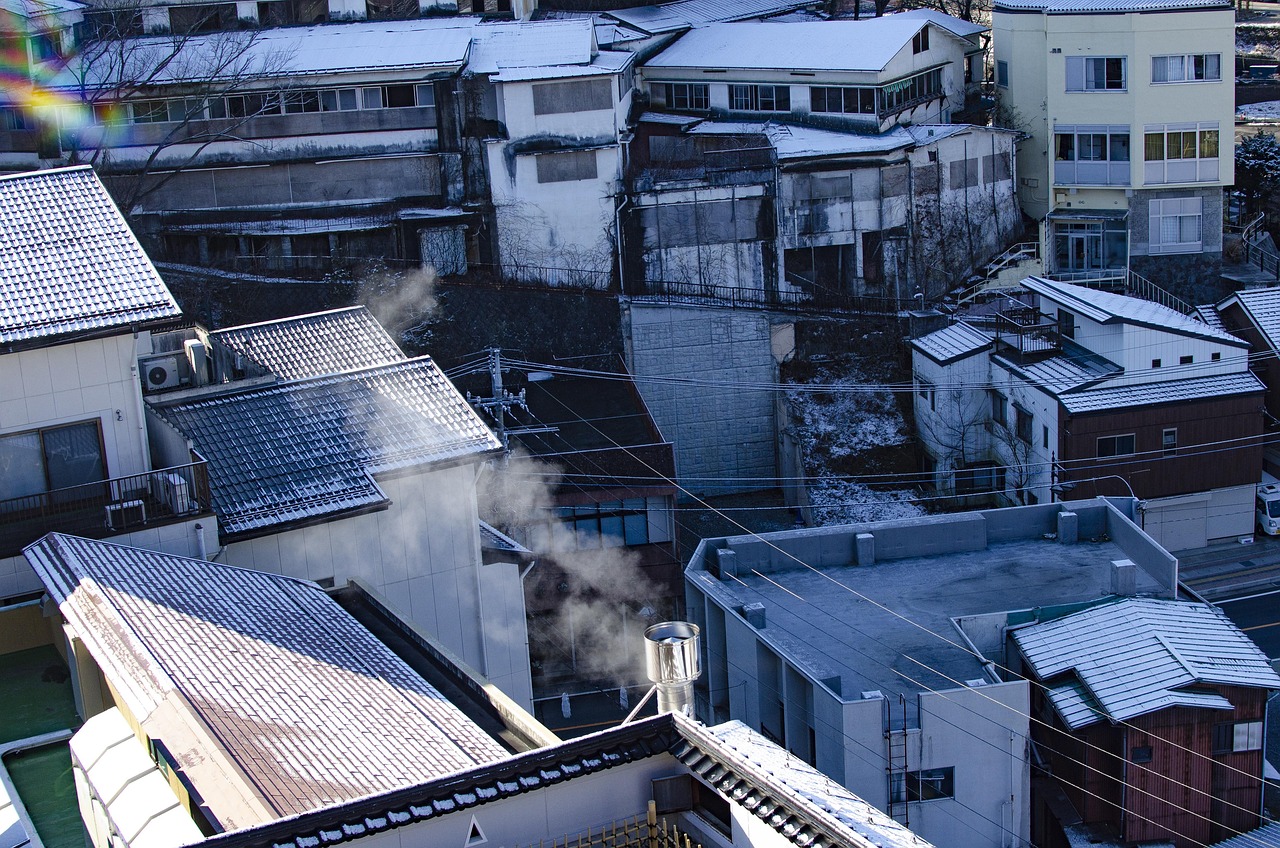
Cover image: JalynBryce / Pixabay
Note: This article is for information only. Rules and amounts may change, and coverage, conditions and claim payments depend on each policy. Please confirm with your insurer.
World Insurance — Okazaki (Aichi) and Fukui. Contact World Insurance